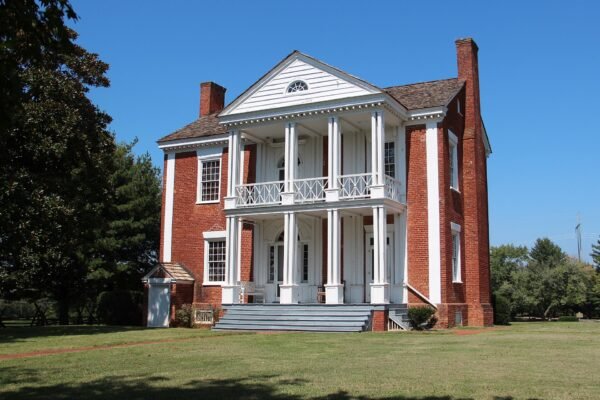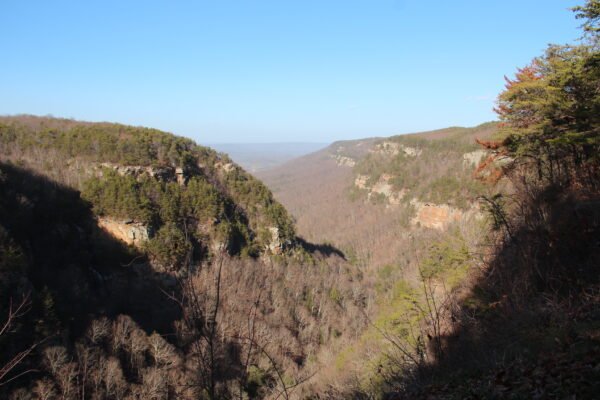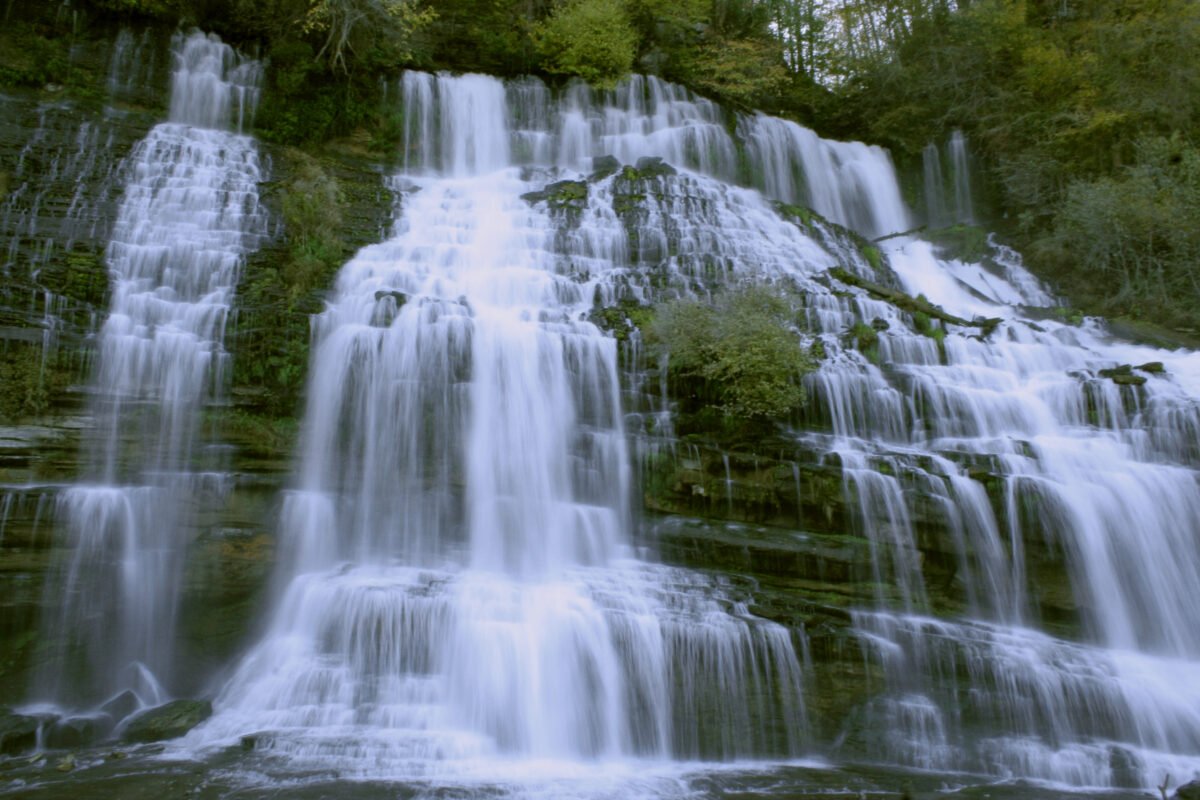
Last Friday, Tennessee dedicated Buffalo River State Park, 448 acres of pasture and wooded hillside in Wayne County near the Perry County line. It has more than two miles of frontage on the Buffalo, including the largest horseshoe bend on the river, and the state counts 48 rare species of plants and animals in the area. The budget holds $34 million for a visitor center, a campground, roads, river access, and the rest.
It is also not open, and the state has not said when it will be. Visitors are told to watch the parks website for guided tours and events while staff build trails and facilities.
That makes two this fall. In September the state dedicated Dry Branch State Park, more than 2,500 acres where Lewis, Hickman, and Perry counties meet. It is closed while Tennessee State Parks writes a master plan, and what visitors will be able to do there has not been decided. Last week the governor named the 70th park Angel’s Hollow, about 2,500 acres on the Hamilton and Rhea county line, with $45.3 million in next year’s budget and a dedication set for November 6. That announcement gives no opening date either.
The instinct behind all three is sound. Land on a free-flowing river or a quiet valley goes on the market once, and a state that waits for a finished plan before buying it usually loses it. Protect first, plan second is the right order. My argument is narrower than it may sound. When the state cuts the ribbon, it should also publish a date.
A target, a plan for the meantime, and a place to check
The date can be a target, the way Georgia handled the Pine Log Wildlife Management Area in September. Georgia announced the purchase and said the land is expected to reopen early in 2027, in time for turkey season. Hunters can plan around that. If the date slips, people will know it slipped and can ask why. A target also tells the state’s own staff what they are working toward, and it gives the legislature a way to measure the $34 million and $45.3 million it has already set aside.
With a target should come a plan for the meantime. Buffalo River’s release mentions guided tours. Tours should be the floor. A parking area, a river put-in, and a mile of marked trail can be built far faster than a visitor center, and they let people who live nearby start using the land they paid for. Dry Branch should have the same, even if the master plan takes another year.
And there should be one place to check progress. Tennessee State Parks already knows how to do this. It is holding public meetings on five-year plans for 12 existing parks this fall and taking written comments through December 31. New parks deserve at least the same treatment: a page, a schedule of meetings, and a draft plan the public can read.
The case for a schedule
This is partly about trust. Public land funding depends on the public believing it gets something for the money. A park that people can visit makes that case every weekend. A fenced parcel with a sign makes the opposite case, and the longer it stays that way, the easier it is for someone to argue that the state is banking land instead of opening it.
It is also about the neighbors. The state’s own release says Buffalo River will serve as a tourism and economic driver in Wayne and Perry counties. Those are rural counties, and the people there who might open a canoe rental, a campground store, or a bed and breakfast need to know whether visitors are coming next summer or in five years. Nobody can borrow money against a dedication ceremony.
And it is about the river itself. Opening a park changes how people use the water around it. Paddlers will find the Buffalo River put-ins whether the state builds good ones or not. A planned access point with parking and a place to pull out a canoe is better for the riverbank than whatever forms on its own along a road shoulder. Delay only decides where they go in.
The record worth setting
The state says 14 new parks will be established under Governor Bill Lee, the most created by any administration in Tennessee history. That is a real record.
A dedication is a beginning. Give each one a date, a path in for the meantime, and a page that says how it is going. Then the record will mean places Tennesseans can actually go.